
3D Printer Support: Show How the Print Failed

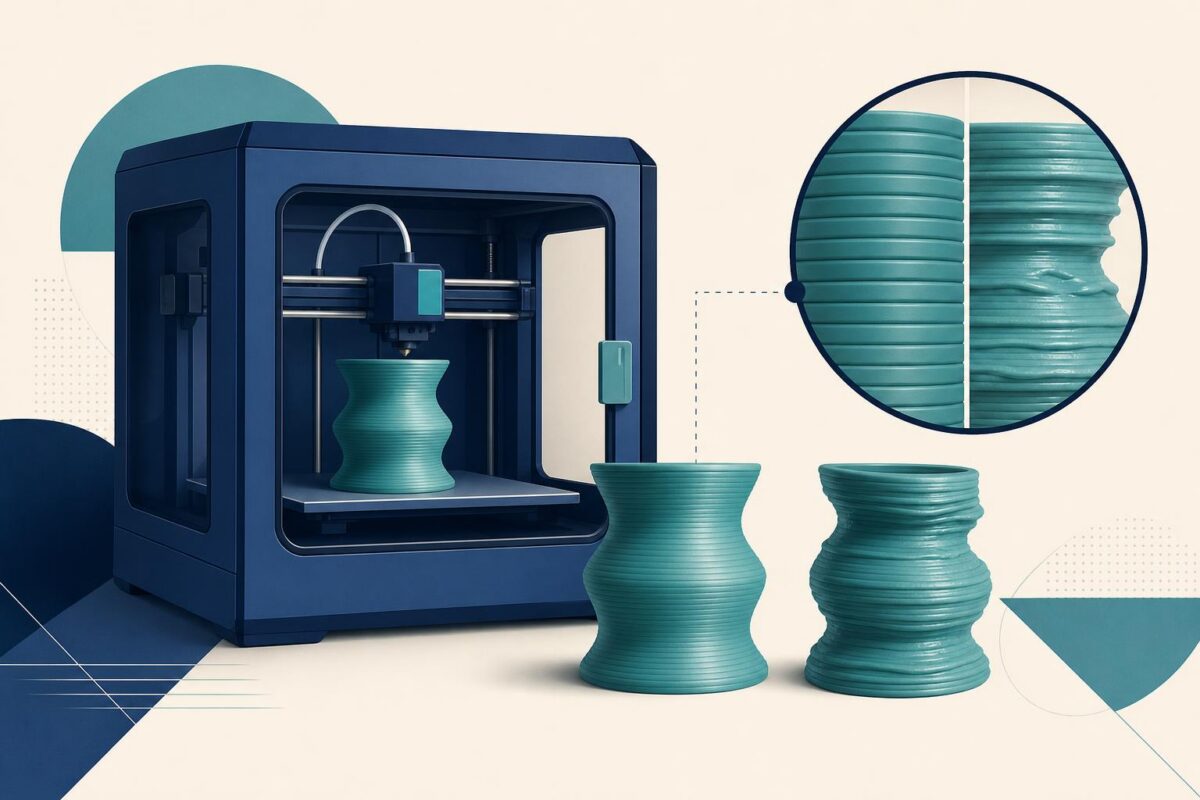
3D printer support should begin with how the print failed. A part that lifted from the build surface, a shape with a missing section, and a machine that stopped before producing anything tell different stories. Sending all three into the same generic troubleshooting script wastes the evidence already in front of the operator.
Viewabo can help a support specialist and the person beside the printer discuss the same output and setup context. The value is shared understanding of a physical result. It is not a promise that a remote view can identify every material, process, or hardware problem.
Give the failed print an identity
First, connect the sample to the job that produced it. Record the machine, material identification, job reference, and the stage when the issue appeared. A loose failed part without that context can become less useful as soon as another job starts.
Show the relevant area from more than one safe angle. Explain what the intended result should have been. If a previous accepted part exists, it can help establish the difference, provided the support team understands whether the process and material were comparable.
Do not equate an attractive surface with a conforming part. Some requirements depend on measurements or testing. A visual discussion can locate the concern and organize the evidence, but the approved acceptance process still determines whether the output meets its purpose.
Separate output problems from machine availability
3D printer support needs to distinguish a poor result from an interrupted job. For the first, the expert may need the sample and process history. For the second, the immediate need may be an accurate account of the machine's state and reported message.
Ask what the operator observed rather than inviting a diagnosis. "The job stopped after this stage" is more useful than "the motor is bad" when no qualified assessment has established that cause.
Also note whether the issue recurs across unrelated jobs or only one geometry. That difference does not settle the investigation. However, it helps the specialist choose a sensible next question instead of treating every failure as hardware damage.
Preserve the process context
Changes matter, but they should not become blame. Ask about confirmed differences in material, preparation, environment, or authorized maintenance. Keep the sequence intact and identify which details come from records versus memory.
Avoid a series of undocumented experiments while the support conversation continues. Each change can make the original condition harder to reconstruct. If the qualified team follows an approved diagnostic procedure, record what it changes and why.
For an industrial customer, also ask whether the affected job contains confidential design information. The expert may need a small region or an output sample, not the full design. Keep the discussion focused on the evidence required for the support decision.
Respect material-specific safety limits
NIOSH's April 2019 discussion of additive manufacturing identifies process-dependent hazards. Different printing methods and materials require different controls. A support conversation must not treat every printer as the same kind of device.
Do not ask an operator to touch hot components, open restricted process areas, disturb powders, or handle uncured material outside approved procedures. Likewise, a remote expert should not infer that the work area is safe from a camera view.
When closer inspection requires trained personnel, route the task accordingly. A clear boundary protects the quality of the investigation as well as the people involved. It prevents an informal support request from becoming an unapproved process change.
Send the expert a question, not a pile of files
The most useful handoff states the failed result, the job context, the observations, and the unresolved question. Attach the relevant evidence through the customer's established support process. Do not assume that every available record will help.
A focused question might concern why one geometry fails at the same stage or what additional inspection the machine specialist needs. The question should remain neutral about the answer. That gives the expert room to distinguish material, setup, and equipment concerns.
Meanwhile, preserve a suitable sample where the site's procedures permit it. If the failed output disappears before the specialist reviews the case, support may lose the most direct evidence of the complaint.
Verify the corrected outcome
After an approved action, evaluate the relevant result through the customer's normal acceptance process. A completed job is not automatically a successful part. Likewise, a successful small trial may not resolve the condition that affected the original work.
Document what the verification covers and what it does not. If further testing is required, name the owner and the next checkpoint. Avoid closing the case on a visual impression alone.
Viewabo fits when the physical evidence is difficult to describe and the next question depends on seeing it clearly. Start with that purpose. Build a better technical handoff, preserve the process context, and let qualified people make the decisions that require measurement or specialized judgment.
Background reference: Potential Hazards of Additive Manufacturing.
Related reading: why video belongs in customer support.