
Automotive Lift Support Requires a Better Intake

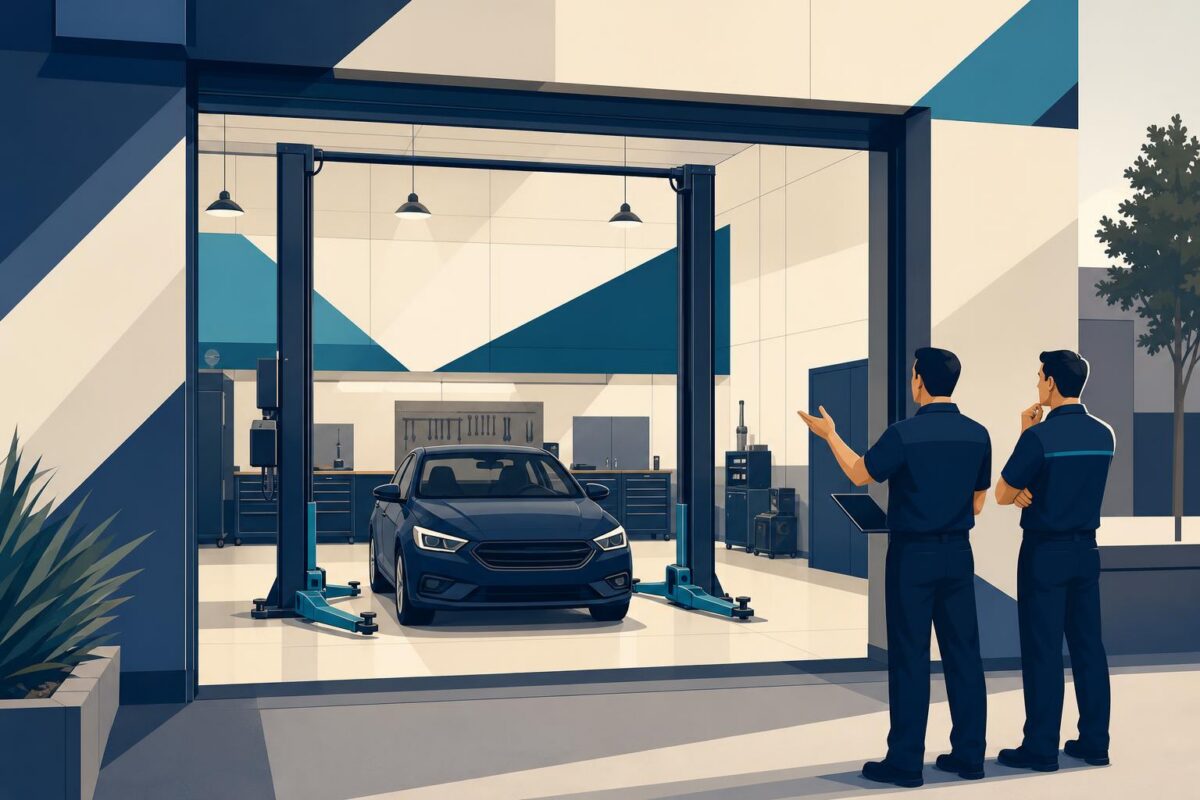
Automotive lift support should begin with a disciplined intake, not an improvised demonstration. A lift-related concern involves equipment that supports heavy loads and people working nearby. The service team needs reliable asset information and a clear description of the reported condition before deciding how qualified personnel should respond.
Viewabo can help an authorized shop contact show safe, external context and identify the affected lift. It can improve communication about the service need. It cannot inspect or certify a lift remotely, authorize continued use, or replace the manufacturer's procedures.
Put the shop's response procedure first
When staff report a potentially unsafe condition, the shop should follow its established response process. Do not ask someone to operate the lift, position a vehicle, or reproduce the concern for a support view.
The caller should remain outside hazardous areas and follow the instructions of the responsible on-site personnel. If no useful view is safely available, a verbal description and existing records are enough to begin arranging qualified assistance.
This boundary is not a barrier to support. It makes the case more accurate by distinguishing what the team actually knows from what requires a proper inspection.
Make automotive lift support asset-specific
Identify the lift through the shop's asset record and safely accessible manufacturer information. A service provider may need to distinguish several similar units. "The lift in the second bay" may not be enough when workshop layouts change.
Also identify the lift's current status as determined by the shop's procedures. Record whether it is unavailable for use and who controls access to it. Support should not independently change that status.
Ask which component or area prompted the report, using neutral location descriptions. Do not convert a visible condition into a structural or mechanical diagnosis without qualified evidence.
Preserve the original report
Record who observed the concern, when it occurred, and what they actually noticed. Separate an operating complaint from a visible condition and from a maintenance record. Each may matter, but they should not merge into an unsupported conclusion.
If the condition followed recent authorized work, include that fact without implying fault. Likewise, a long service history does not establish that replacement is necessary. The qualified assessment must determine the appropriate response.
The Automotive Lift Institute's June 2020 historical timeline describes its qualified lift-inspector certification program. That background reinforces an important distinction: a support intake and a qualified inspection serve different purposes.
Prepare records that help the qualified specialist
Locate the manufacturer's documentation and the shop's relevant service and inspection records through the approved process. The specialist may need to understand previous work, reported concerns, and the equipment's identification.
Avoid sending a large unorganized bundle with no explanation. State which record relates to the current complaint and what question remains unresolved. A short factual summary helps the reviewer find the important evidence.
If a record is missing, say so. Guessing at the date or scope of a past inspection makes the service history less reliable. The next step may include obtaining documentation from the responsible provider.
Plan the visit around access and authority
The service provider should know how to reach the affected bay, who will meet the technician, and who may authorize work. The shop should also coordinate any operating restrictions through its own responsible personnel.
Do not ask staff to move or manipulate the lift to make the visit easier unless that action comes through the appropriate qualified procedure. Support can identify an access issue without prescribing how to resolve it.
A useful dispatch brief names the asset, reported condition, current status, relevant records, and remaining question. That lets the specialist prepare for an inspection rather than arrive expecting a routine adjustment based on an unverified guess.
The shop should also preserve the exact wording of the original report. A concern about an unusual condition should not become a claim that the lift passed a test nobody performed. Accurate language helps the qualified specialist distinguish a customer observation from an inspection finding.
Keep repair completion separate from return to use
After work, the responsible qualified parties should determine which inspections or checks are required. A part replacement or a normal-looking appearance is not a release decision on its own.
Record the documented outcome accurately. If the shop is still waiting for a required confirmation, do not close the case with language implying unrestricted use. Name the owner of the remaining action and the expected update.
Viewabo's role in automotive lift support is deliberately narrow: help people identify and explain a physical concern without losing the surrounding context. Used that way, it can support a better handoff to qualified service personnel. The customer's need is not a reassuring remote opinion. It is a clear path to the appropriate inspection, documented work, and responsible decision about what happens next.
Background reference: Automotive Lift Institute historical timeline, June 2020 revision.
Related reading: why video belongs in customer support.