
Espresso Machine Support: Diagnose the Shot, Not the Customer

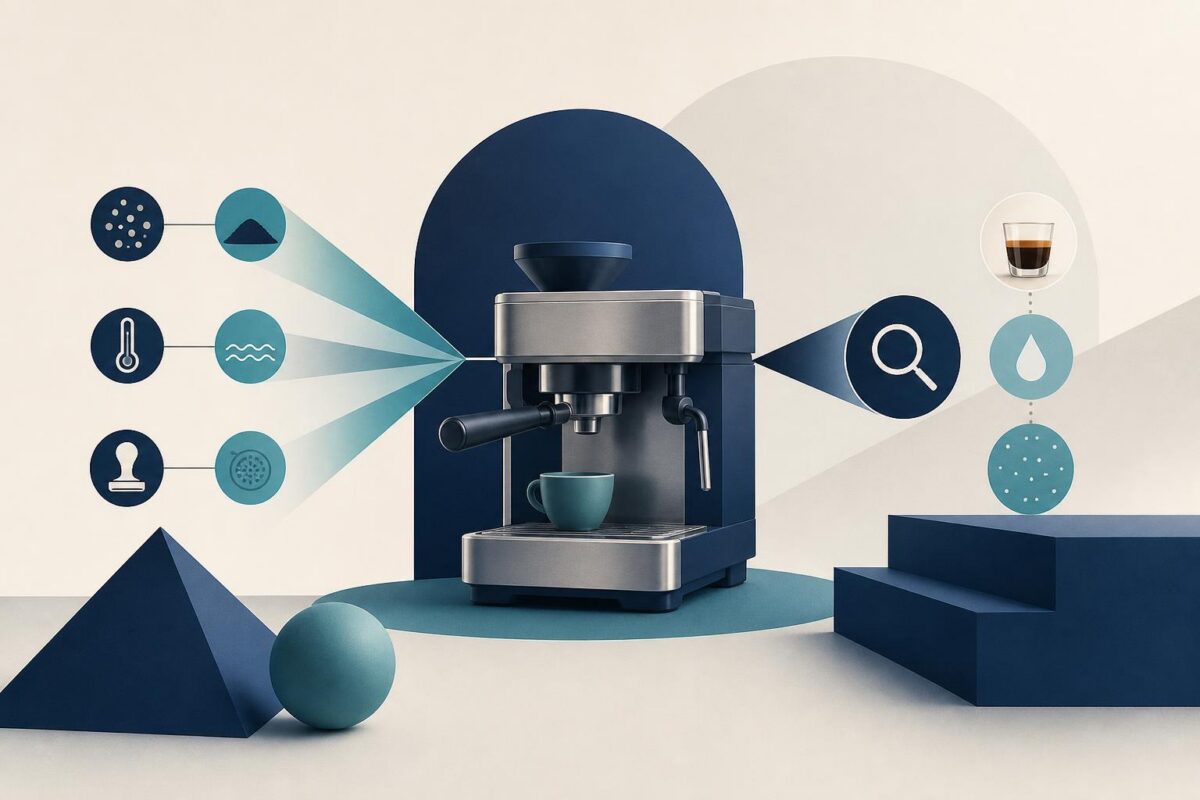
Espresso machine support should distinguish the drink the customer dislikes from the equipment behavior that produced it. A fast pour, a weak drink, an unfamiliar sound, and a machine that will not start are different complaints. If the agent changes every setting at once, the customer may get one better cup without learning how to repeat it.
Viewabo can help the customer and agent discuss the preparation area and visible process. The value is a shared reference for what happens before and after brewing. It is not a substitute for taste, pressure measurement, internal repair, or safe handling around hot surfaces.
Espresso machine support begins with the actual complaint
Ask what the customer expected and what happened instead. Separate taste, volume, temperature impression, flow, and failure to operate. Record whether the issue began with a new coffee, a different preparation method, or an unexplained change in the machine.
Use the correct model instructions to identify the normal preparation sequence. Breville’s Breville Barista Express instruction book, USCM M21 treats preparation, cleaning, troubleshooting, and hot-surface precautions as related but distinct subjects. Support should preserve those distinctions rather than jump from a disappointing drink to a hardware diagnosis.
Do not ask the customer to demonstrate a leak, pressure concern, or dangerous behavior. Those conditions belong in an appropriate service assessment before further operation.
Observe preparation before changing the machine
Ask about the coffee and the documented preparation method. The useful information is what changed between the earlier acceptable result and the current one. Avoid treating a preferred recipe from the agent’s own experience as a universal specification.
A safe view of the accessories and dry preparation area can clarify which components the customer uses. Compare them with the manufacturer’s guidance. Similar baskets or attachments may serve different tasks, so identify them rather than guessing.
Keep the demonstration focused. The customer does not need to reproduce an elaborate drink while handling a phone. A stationary observation before brewing may answer the preparation question without creating a distraction around heat.
Choose one repeatable comparison
When normal operation is safe, use the maker’s supported procedure and keep relevant variables stable. Select one documented adjustment that answers a specific question. Explain what observation would support the hypothesis and what would remain uncertain.
Espresso machine support should not combine new coffee, new accessories, several setting changes, and a different drink size in one test. Even a pleasant result would be hard to interpret. A controlled comparison helps the customer understand the process instead of memorizing unexplained numbers.
Record the result in ordinary terms, such as the flow changed or the expected volume was reached. Do not infer precise pressure or temperature from a camera view or the appearance of the drink.
Separate owner maintenance from service
Use only the cleaning process, products, and safe state specified by the manufacturer. Do not invent a chemical mixture or assume that every removable-looking component is intended for owner access. The right procedure depends on the actual machine.
Never ask the customer to open a pressurized brewing assembly, reach near a moving grinder, touch hot components, or remove an internal panel. Allow the documented cooling and safety process before any permitted handling.
A persistent leak, electrical concern, damaged part, or abnormal operation should stop routine taste troubleshooting. The support team should provide a clear service route rather than continuing to adjust preparation variables around a possible equipment hazard.
Respect the customer’s taste without inventing a fault
The agent cannot taste the coffee remotely, and preferences differ. Ask the customer to compare the result with their own defined goal. Avoid declaring a drink correct solely because it looks familiar on camera.
Likewise, do not dismiss a consistent unwanted result as a lack of skill. Explain which variables were controlled, what changed, and whether the evidence points toward preparation, normal product behavior, or further service assessment.
For a small business relying on the machine, separate today’s operating need from the diagnosis. A temporary alternative can keep work moving without proving that the original machine is ready for continued use.
Verify a process the customer can repeat
If the approved comparison produces the desired result, ask the customer to summarize the relevant preparation steps. A repeatable process is the real outcome. One successful cup after several unexplained changes is not a durable resolution.
Our independent Breville support analysis applies this separation to first-cup expectations and the decision between education and a return.
For a service handoff, record model, exact symptom, normal preparation method, relevant changes, and completed checks. Include the reason any further operation was stopped. The next specialist should not need the customer to recreate a risky condition.
Our independent DeLonghi support analysis explores the point where coffee-machine care guidance should give way to a service handoff.
Viewabo helps bring the physical preparation context into the support conversation. The broader idea appears in why video belongs in customer support. Espresso machine support works best when it separates preference, preparation, and equipment faults, then verifies the outcome without turning a customer-support call into an unsafe repair lesson.