
Exercise Bike Support: Distinguish Fit from Equipment Faults

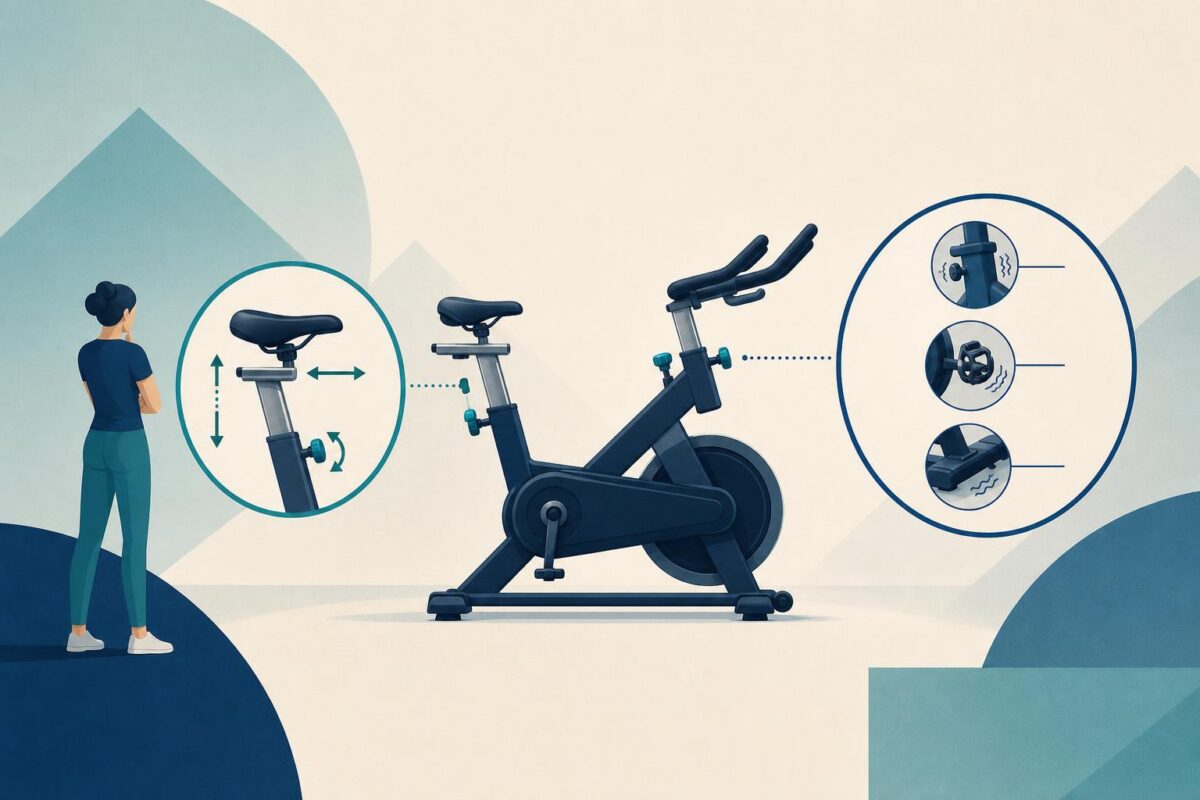
Exercise bike support needs to distinguish an uncomfortable setup from a damaged machine. A customer may describe a wobble when they mean the bike rocks on the floor. Another may describe the same word when a pedal moves unexpectedly. Those are not interchangeable complaints, and neither should prompt an immediate request to ride while filming.
Viewabo can help an agent and customer discuss the visible equipment arrangement. The value lies in identifying the component or setup question accurately. It does not include diagnosing pain, prescribing a riding position, or certifying that a stressed part is safe from a camera view.
Exercise bike support begins before anyone gets on
Ask the customer to stop riding and describe the concern from beside the machine. Confirm whether the issue involves stability, an adjustment control, a display, or a damaged component. Note whether the bike arrived recently or has worked normally before.
Identify the model and relevant service guidance. The CPSC’s Peloton recalls PR70P bike pedals demonstrates why a pedal concern may require a model-specific safety response rather than a generic adjustment. Do not ask the customer to load or stress a suspect part to prove that it moves.
If there is damage, unexpected movement, or a recall concern, follow the applicable stop-use and service instructions. A routine support script should not override that decision.
Separate the floor from the frame
For a stability complaint that does not involve damage, ask for a wide view of the stationary bike and its immediate floor area. Establish whether the customer recently moved it, changed a mat, or placed it across an uneven surface.
Compare the arrangement with the manufacturer’s placement instructions. The agent can ask about visible contact points without directing the customer to lift a heavy frame alone or crawl beneath it. If access is difficult, local assistance may be needed.
Record whether the reported movement concerns the entire machine or one component. This distinction narrows the handoff. Bike rocks at the base is more useful than bike feels strange, especially when a technician must decide what to inspect.
Clarify adjustment controls without prescribing fit
A customer may need help identifying a documented seat or handlebar adjustment. Use the exact manual and the visible labels. Explain the normal operation of the control without guessing at hidden locking mechanisms or recommending force.
Do not prescribe a riding position as treatment for pain. Equipment support and individualized exercise guidance are different services. If the customer reports discomfort or injury, make the boundary clear and suggest appropriate professional advice.
Exercise bike support can still improve usability. The agent can confirm that the customer understands the manufacturer’s adjustment range and locking instructions. That is a practical product task, not an assessment of biomechanics.
Investigate display concerns separately
A console that fails to show expected information does not automatically mean the mechanical bike is defective. Ask what the customer sees, which normal action preceded it, and whether any documented message appears. Keep personal account information outside the visual discussion.
Follow the maker’s user-level instructions for that display. Avoid opening the housing, tracing internal wiring, or asking the customer to pedal with one hand while aiming a phone with the other. A stationary view of the controls may provide enough evidence.
If the issue requires an operational test, use only the approved process and do not continue when a safety concern remains unresolved. The desire to diagnose a screen should not obscure a loose or damaged physical part.
Make the service handoff specific
When the issue exceeds user-level setup, record the exact component, model, and customer-described symptom. Distinguish a visible crack from a reported noise and an uncertain movement from a confirmed defect. These are different levels of evidence.
Include the circumstances: first assembly, relocation, ordinary use, or a recent service visit. Note which checks were avoided because operation or access was unsafe. A technician should not need the customer to repeat a risky demonstration after the handoff.
Our independent Peloton onboarding analysis explores the gap between delivery, account access, and readiness for first use.
Be clear about the next owner and the expected process. If the bike should not be used, say so in the follow-up summary. If a replacement part is appropriate, identify it through the manufacturer’s process rather than guessing from a similar model.
Verify understanding as well as the outcome
For a normal setup question, ask the customer to explain the approved next step back in their own words. This reveals whether they understand which control changes the position and which secures it. It also helps avoid an incomplete adjustment after the call ends.
For a service case, verify that the customer knows what to stop doing and whom to contact. A completed referral is not a repaired bike, so keep the equipment status separate from the support status.
Viewabo helps turn ambiguous descriptions into shared observations. The same principle underlies why video belongs in customer support. Applied to exercise bike support, it means identifying the right problem before advising: floor placement, normal adjustment, display behavior, and component safety each deserve their own path.