
Oven Support: Clarify the Cooking Result Before a Repair

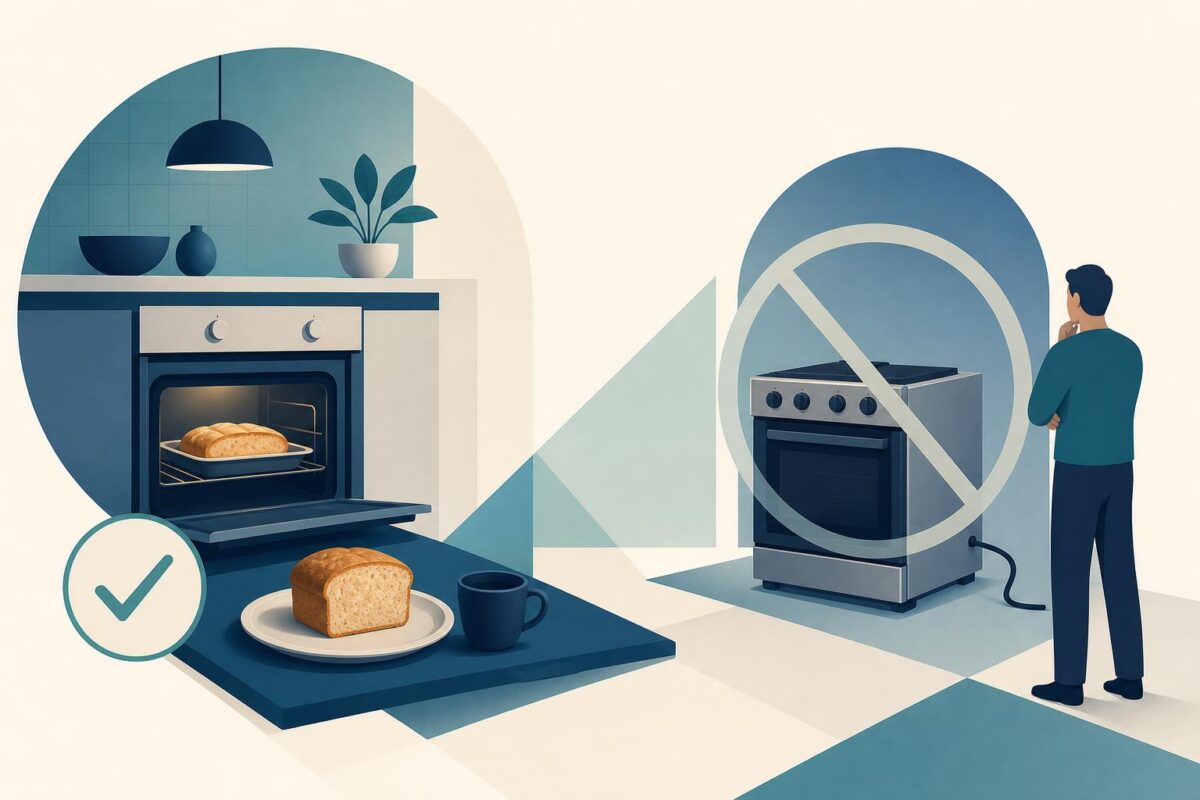
Oven support should clarify the cooking result before recommending a repair. Food that browns unevenly, a confusing program, and an oven that does not start are different complaints. A customer may also compare a new appliance with an older one that operated differently. Without a clear baseline, support can drift into arbitrary temperature changes that explain very little.
Viewabo can help an agent understand visible controls and the cool, accessible cooking setup. That shared context supports better questions. It does not measure oven calibration, inspect a gas system, or justify asking the customer to handle hot parts or recreate a hazardous event.
Oven support starts with the exact complaint
Ask what the customer cooked, which documented mode they used, and what result differed from expectations. Separate appearance, timing, a display message, and a failure to operate. Record the sequence without declaring that a poor meal proves an appliance defect.
Ask whether the result is new and whether the oven has performed the same task successfully before. A different pan, rack position, or program can be a useful comparison point. Treat those differences as hypotheses, not reasons to dismiss the caller.
If the complaint includes smoke beyond normal documented behavior, a burning electrical smell, suspected gas, or visible damage, stop ordinary troubleshooting and route the concern appropriately.
Read the selected mode before changing temperature
Identify the model and use its instructions to interpret the visible controls. Ask the customer to distinguish the selected program, target setting, timer, and any preheating indication. Similar displays can represent different stages of cooking.
Bosch’s Bosch Benchmark design guide, volume 5 documents varied cooking-appliance arrangements. The practical support lesson is that instructions must match the actual product, not a remembered oven from another kitchen.
Explain the next question in ordinary terms. We are checking whether this mode matches the recipe and cookware is more helpful than a list of unexplained technical settings. Keep the original settings recorded before changing anything.
Inspect the cool setup, not an active oven
When the appliance is safely cool, a view of the normal rack and cookware arrangement may clarify the issue. Compare it with the manufacturer’s guidance. Do not ask the customer to move hot racks or reach into an operating oven while holding a camera.
Perspective can make spacing difficult to judge, so use documented positions and the customer’s direct observations. A picture is not a precise measurement of clearance or temperature. If a component appears damaged or does not fit normally, stop at the service boundary.
Oven support should not recommend improvised liners, altered racks, blocked openings, or unsupported cookware as quick fixes. A change that appears to improve one cooking result can create another problem if it conflicts with the product instructions.
Separate a recipe comparison from calibration
A controlled cooking comparison can help explain a setup difference, but it is not the same as a calibration assessment. Use only the manufacturer’s approved normal-use or diagnostic process. Do not invent a universal temperature correction based on one meal.
Keep the relevant variables stable when a safe comparison is appropriate. Changing mode, pan, rack position, recipe, and temperature together leaves no useful explanation of the result. Choose one question and one supported change.
If the concern persists across appropriate normal use, arrange service. The agent should describe the observed result and completed checks rather than announcing a failed sensor or heating component without the required evidence.
Keep food safety separate from appearance
The support team should not tell a customer that food is safe because it looks browned or because the oven reached a displayed setting. Food-safety decisions need appropriate guidance and measurement, not a camera impression.
Likewise, a meal that missed the customer’s preferred texture does not automatically indicate unsafe equipment. Clarify the category of concern and route specialized questions appropriately. This protects both the customer and the quality of the appliance diagnosis.
For a household facing an immediate meal deadline, discuss the practical situation separately from repair status. An alternative cooking arrangement can solve the immediate need while the oven case remains open.
Verify the agreed result over the right period
If a documented user-level correction is suitable, agree on what the customer will observe during the next safe normal use. A meaningful cooking result may take longer than the support call. Assign a clear follow-up rather than claiming success when the program merely starts.
Record model, selected mode, setup, timing, and the specific result. If a technician takes over, include what was reported, what was visually observed, and which tests were not attempted. That makes the handoff more useful than oven temperature seems wrong.
Viewabo helps agents understand the physical setup behind a cooking complaint. The larger case for visual communication is explained in why video belongs in customer support. Oven support should use that context to choose a careful next step, preserve safe boundaries, and verify the customer’s actual outcome rather than chase a reassuring display.