
AR + AI Is Getting Impressive in Remote Support. It Still Assumes You Have a Tech On-Site.

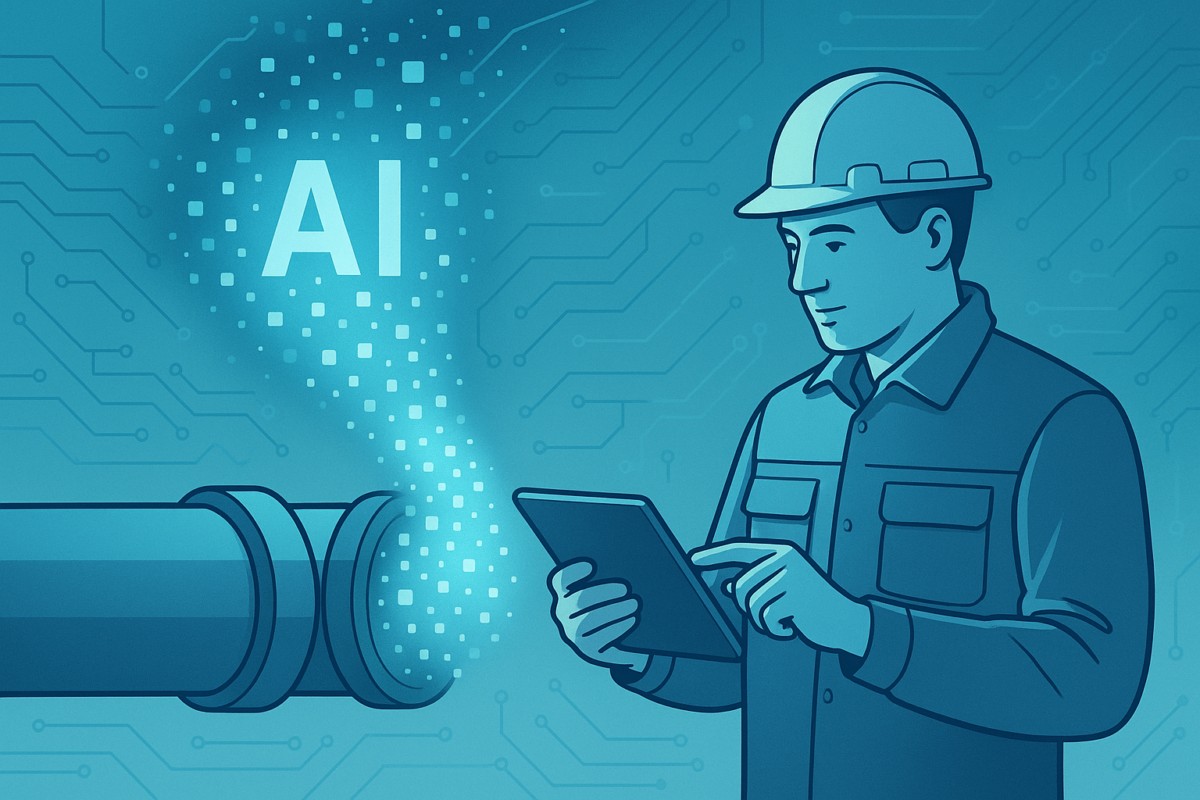
Microsoft Build 2026 brought a wave of announcements about AI-powered augmented reality entering field service. Holographic overlays that highlight the exact bolt you need to turn. Object recognition that identifies the machine in front of you and pulls up the right service manual. Step-by-step guided repair projected directly into your field of vision. The demos are genuinely impressive — the kind of thing that would have looked like science fiction five years ago.
There’s just one problem. Every single one of them assumes a trained technician is already standing in front of the equipment.
That’s a fundamentally different problem than the one most support teams actually have: enabling remote visual support without dispatch — getting eyes on the issue before anyone commits to a truck roll.
The First Mile: Where Remote Visual Support Without Dispatch Pays Off
Here’s how a typical support escalation actually unfolds. A customer calls in. Something isn’t working — a machine won’t start, a piece of equipment is behaving strangely, an error code appeared that nobody recognizes. The support rep asks a series of questions. The customer tries to describe what they’re seeing, usually badly. The rep can’t tell if this is a simple user error, a configuration issue, or something that requires a physical inspection and parts.
At this point, companies face a decision: dispatch a technician or try to resolve it remotely.
This is the first mile of field service. It’s the moment that determines whether a truck rolls or not. And it’s where most of the unnecessary cost lives.
AR with AI guidance is built for the last mile — after the decision to dispatch has already been made, after the technician is on-site, after they’re in front of the equipment. It’s a tool to make that technician more effective. That’s genuinely useful. But it doesn’t touch the decision that came before.
Confusing first-mile problems with last-mile solutions is exactly how companies end up buying expensive technology that doesn’t reduce truck rolls. The AI support truck roll problem follows the same pattern.
What “Visual Context” Actually Means in 2026
The marketing around these tools leans heavily on words like “visual intelligence” and “contextual AI.” And they’re not wrong — there’s real visual intelligence happening. The AI can see the equipment, recognize it, and generate guidance in real time.
But here’s the thing: that visual intelligence only activates once someone with a camera is standing in the right place. The system can’t tell you whether you need to send someone. It can only help them once they’re there.
The companies that are actually reducing truck rolls aren’t doing it with AR overlays. They’re doing it by getting eyes on the problem remotely, before the dispatch decision is made. A live video call with a customer. Screen annotations to guide them to the right component. A camera session where a support rep can actually see what the customer is seeing — with no app install required, no friction.
That’s remote visual support without dispatch. It’s not as cinematic as holographic overlays. But it’s solving the actual problem.
Why the Tech Demo Problem Persists
There’s a consistent pattern in enterprise technology: the demos that get the most attention at trade shows are the ones that look impressive in a controlled environment with a trained operator. AR-guided repair falls squarely into this category. It photographs well, it’s easy to understand at a glance, and it appeals to the part of every operations executive that wants their field teams to look like they’re operating in the future.
The harder sell — and the higher-value one — is the infrastructure you build before you ever dispatch a technician. The tools that help a support team triage in real time. The workflows that let a non-technical customer become your remote eyes. The systems that capture enough visual context during the first call that the technician who does show up (if one has to) already knows exactly what they’re walking into.
That infrastructure doesn’t make for good keynote slides. But it’s where the ROI actually lives.
The Dispatch Decision Is the Leverage Point
Let me put some numbers around this. A typical truck roll in commercial field service costs somewhere between $200 and $500 when you factor in labor, travel, and overhead. Companies with large install bases might be dispatching thousands of technicians a week. Even a modest reduction in unnecessary dispatches — say, 15 to 20 percent — represents serious money.
AR guidance for on-site technicians can improve resolution time once they’re there. That has value. But if the technician shouldn’t have been dispatched in the first place, you haven’t saved anything — you’ve just made an unnecessary trip slightly more efficient.
The leverage is in the dispatch decision. That’s where you need visual context, not afterward.
What Remote Visual Support Without Dispatch Actually Looks Like
This is something we think about constantly at Viewabo. Our entire model is built around a specific insight: the most valuable moment in a support interaction is often the first ten minutes after a customer reports a problem, before anyone has decided what to do about it.
If a support rep can get visual context during those ten minutes — a live camera feed, an annotated view of what the customer is looking at, the ability to say “show me the panel on the left side, yes that one, do you see the red light?” — they can make a much better dispatch decision. They might resolve the issue entirely. They might confirm that dispatch is necessary but determine that a junior tech can handle it rather than flying in a specialist. They might identify the specific part that needs to be replaced so the technician arrives prepared.
None of that requires a technician to be on-site first. It requires the right remote visual tooling to be in place before anyone gets in a van. For the ROI math behind avoiding unnecessary dispatches, see first-time fix rate calculations.
AR Is a Last-Mile Tool. Treat It That Way.
I want to be clear: I think the AR and AI work coming out of Microsoft Build is interesting. The underlying technology is real, and the use cases for on-site technician guidance are legitimate. As the cost of AR hardware drops and the object recognition models improve, this is going to become a genuine part of field service infrastructure.
But it’s going to matter most to companies that have already solved the first-mile problem — the ones that have already built the remote visual triage capability that lets them get eyes on an issue before they decide to dispatch. For those companies, AR guidance becomes a way to make dispatches even more effective. The combination is powerful.
For companies that haven’t solved first-mile yet, buying AR-guided field service tools is like buying a faster car when your navigation system is broken. You’ll get there more efficiently once you’re on the right road. But first you need to figure out which road you’re on.
The companies winning in field service efficiency right now aren’t the ones with the most impressive on-site technology. They’re the ones that have figured out how to avoid sending someone at all — at least for the cases where it isn’t necessary. Remote visual support without dispatch isn’t a workaround. For many support teams, it’s the strategy.
Viewabo helps support teams get eyes on customer problems before deciding whether to dispatch. If you’re thinking about how to reduce unnecessary truck rolls, we’d be glad to show you how it works.