
Viewabo vs CareAR: Customer Triage or Expert Field Work?

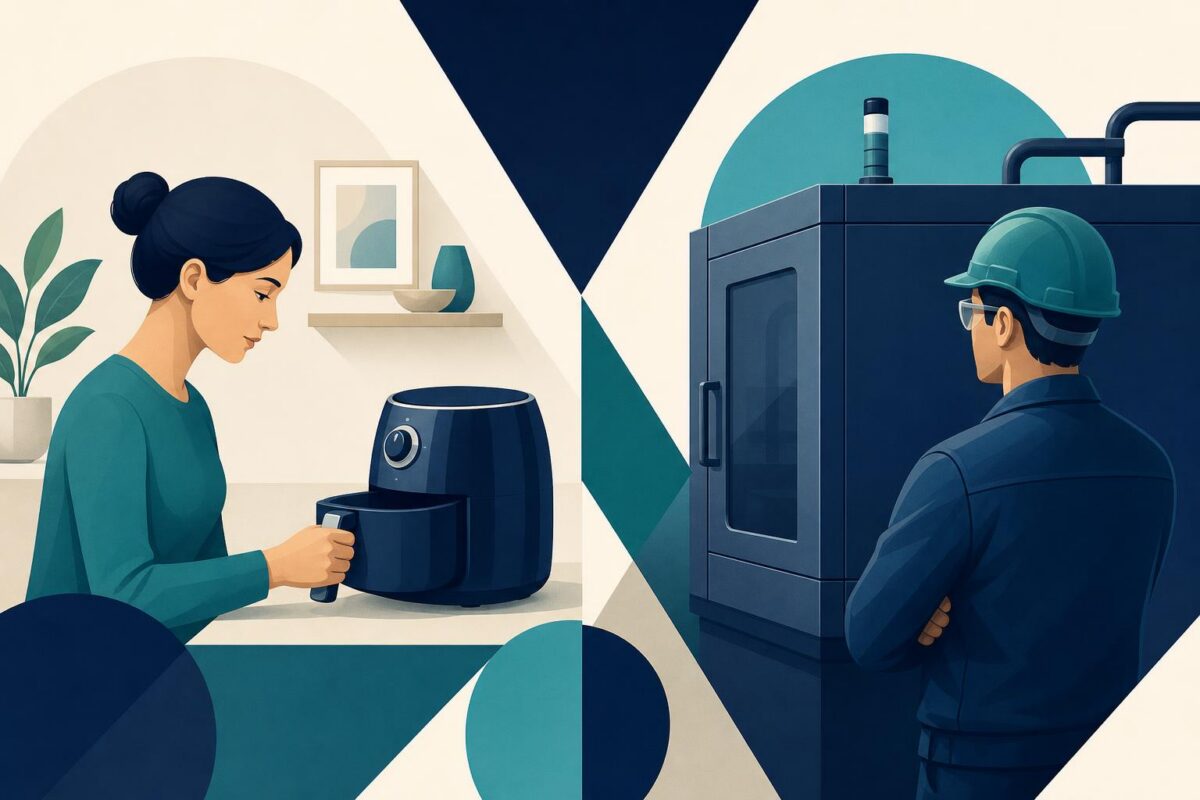
Viewabo vs CareAR becomes easier to evaluate when you separate two jobs: helping a customer describe a physical problem and helping a trained worker complete a technical task. Both involve remote expertise. However, their starting points differ.
In its January 2021 acquisition announcement, Xerox described CareAR as supporting customers, employees, and field workers through visual guidance. That is a broad service context worth understanding before you compare options.
Your own support operation may include all those groups. Even so, a single demonstration should not stand in for all their needs.
Customer triage asks what should happen next
Triage is the work of deciding which path a problem should take. A customer might need a simple explanation, a safe user-level check, a replacement review, or a professional visit.
The customer may not know the product vocabulary. They may also be frustrated before the conversation begins.
As a result, the support approach needs to make the situation understandable without demanding technical confidence. The agent should establish what is visible and avoid treating a guess as a diagnosis.
Viewabo is relevant here because its focus is remote visual understanding. In a customer-facing queue, that focus should help frame the evaluation around the next appropriate action.
Do not judge triage only by whether it avoids a visit. A well-prepared visit can be the best outcome when the task exceeds the customer’s ability or authority.
Expert collaboration asks how to complete the work
A trained technician starts from a different position. They may already understand the equipment and need specialist help with an unusual fault.
The conversation can therefore involve more precise technical reasoning. Both participants may share terminology and know the approved service procedure.
CareAR’s stated support for field workers makes this a relevant part of its evaluation. If expert collaboration dominates your workload, test that workload directly.
However, do not assume that a workflow suited to a technician automatically suits a household customer. Nor should you assume that a customer-focused approach must be unsuitable for every professional task.
Separate the scenarios and inspect the evidence. The people doing the work will reveal differences that a broad category description cannot.
Viewabo vs CareAR needs two different trial cases
Use the same office printer for both cases. An office employee can show the display, paper tray, and accessible exterior. A qualified service technician can interpret service information and carry out work that the employee should not attempt.
Ask a different question in each trial: should the employee arrange service, and what does the technician need from a remote expert? CareAR’s documented customer-and-field-worker scope makes both tests relevant. Viewabo should earn preference for customer triage only if it helps the first person reach the right boundary clearly.
Start with an ordinary customer who reports that a product is not working after setup. Give the agent only the information that would normally appear in the initial request.
The goal is to establish what the customer can safely show and what the team should do next. Notice how much explanation the process requires.
Then run a second case with a trained worker seeking expert guidance on an already identified issue. This time, examine whether the conversation advances the work without losing necessary context.
Compare the results separately. An excellent technician session should not conceal a confusing customer journey. Likewise, a smooth customer interaction should not prove readiness for complex field work.
This two-case method protects the comparison from a common error: choosing the easiest demonstration and calling it representative.
Set the boundary before the camera is involved
Remote visibility does not change a person’s qualifications. A customer who can show a product should not automatically attempt a technician’s task.
Before a trial, define which actions are permitted for each audience. Keep the test focused on observation and approved procedures.
For example, a customer might show an external indicator or the product’s installation surroundings. A qualified worker may perform a different assessment under the organization’s established rules.
The support conversation should make those boundaries clear. If the next step requires an on-site professional, explain why and preserve the useful observations.
This is not a weakness of visual support. It is how visual support contributes to a sound service decision without pretending that distance is the only constraint.
Where the case for Viewabo is strongest
A focused product-support team should consider Viewabo when the recurring problem is a lack of shared visual context. The value case is strongest when seeing the situation changes routing, guidance, or the quality of a handoff.
Measure those changes in a pilot. Ask whether agents reach a clearer decision and whether customers understand it.
Also look for unnecessary work. Did the customer repeat an observation because the agent used unclear language? Did a specialist receive a vague summary despite a useful conversation?
If Viewabo helps your team improve these moments, you have a practical reason to prefer it for that scope. That conclusion does not require a claim that CareAR lacks capability.
Keep the final decision tied to the audience
Your recommendation should name the people it covers. “External customers handling basic product questions” is a clearer scope than “remote support.”
For each audience, document the typical starting knowledge, the intended outcome, and the point where another professional takes over. Then explain how the chosen approach performs against those conditions.
The broader case for video-based customer support is shared understanding. The buying decision must translate that idea into a workable service journey.
Choose Viewabo when it proves the better match for the customer-facing job you need to improve. Choose CareAR when your evidence supports its fit for your requirements. Above all, do not confuse a customer triage decision with an expert field-work decision simply because both use visual communication.