
Access Control Support Starts With the Door

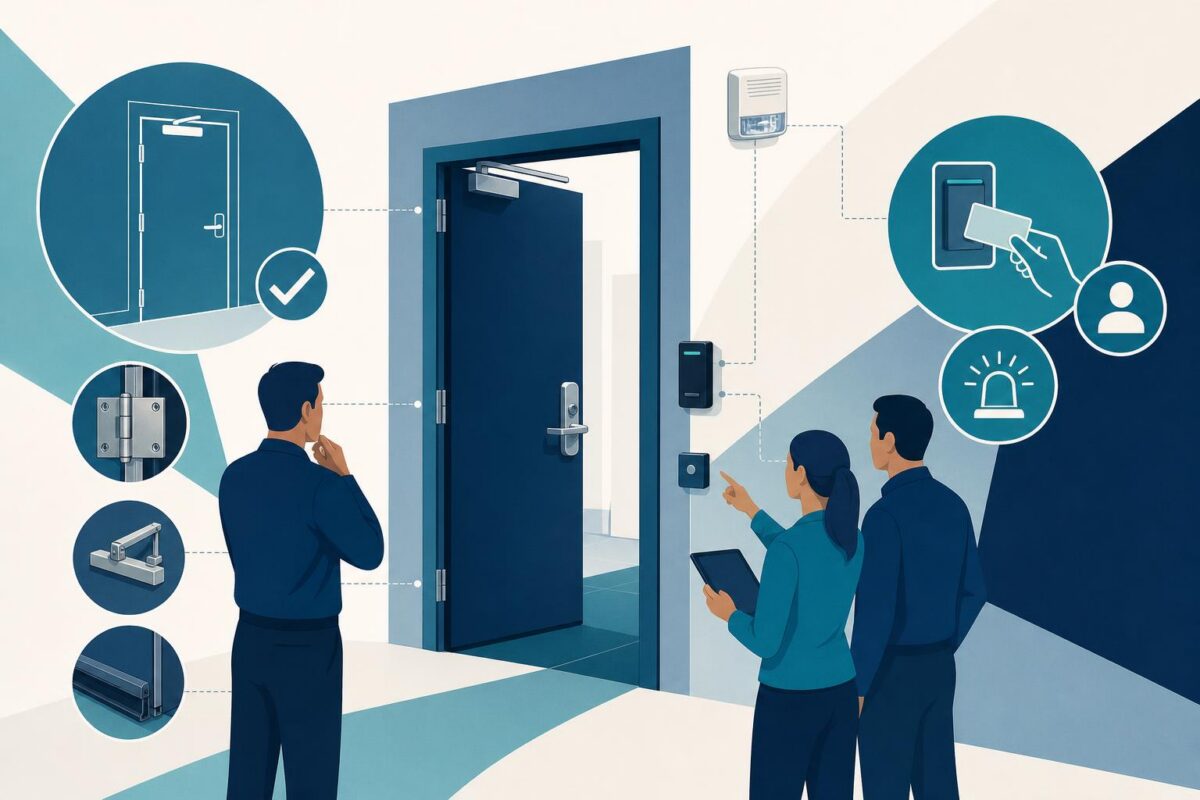
Access control support can start with a card complaint and end with a door problem. A user says the entrance will not work. The specialist needs to distinguish the authorization event from what the door physically does afterward. Without that distinction, software and hardware teams can spend the entire case handing it back to each other.
Viewabo can help an authorized site contact show the visible door condition and explain the reported sequence. The goal is better service coordination. It is not permission to bypass access controls, modify exit arrangements, or certify a door's compliance.
Separate permission from movement
First, ask what the user experienced in plain language. Did the system indicate an authorized event? Did the door remain closed? Did it open but fail to return to its expected state? Record the sequence without assuming that one observation explains the others.
The support team should use only the customer's approved evidence. It does not need access codes, passwords, or a demonstration of how to defeat the door. Protect those boundaries even when the caller is frustrated.
Our independent Schlage support analysis examines how door movement and lock response can become confused in a single complaint.
Also identify the actual opening. A site may have several similar doors with informal names. Match the location to the asset record so the correct service team receives the request.
Give access control support the whole opening
A narrow view of one component can hide the relationship that matters. When safe and authorized, show the door and surrounding frame from a normal position. The expert may need to understand which side the caller is describing and where the visible concern appears.
Ask for an observation, not a repair attempt. Staff should not force the door, adjust hardware, prop it open, or interfere with protective functions to make the symptom easier to explain.
If the condition affects safe passage, the site's responsible personnel should follow their established response process. The support call must not delay that response or substitute an improvised workaround.
Treat the building context as relevant evidence
Ask whether the complaint began after known building work, approved hardware service, or a change in how the opening is used. Those details may help the specialist choose the right questions. They do not establish that another contractor caused the problem.
Also record whether the symptom appears all the time or under particular conditions. A condition reported only during a busy period may require different observation than one present while the area is quiet.
Door complaints often cross building responsibilities. Preserve the physical and operating context instead of isolating one component from the whole opening. That makes the service brief useful to the people who maintain different parts of the system.
Assign the right owner across vendors
The organization that manages credentials may not maintain the door hardware. A facilities team, locksmith, access-control provider, and building manager may each own part of the service path. The customer should not have to reconstruct that division repeatedly.
Create one factual brief that distinguishes the reported authorization result, the observed door behavior, and the unresolved question. Let the responsible specialists determine which technical checks are needed.
Name a case owner who coordinates the handoffs. That person should explain the next action and the reason for it. A clear ownership model is especially important when one vendor cannot authorize another vendor's work.
Keep observation separate from inspection
A door that appears to close does not prove every function is correct. Support should not offer a compliance opinion based on a remote view. Qualified inspection and applicable site requirements still determine what must be verified.
Likewise, do not ask staff to change settings, remove covers, or alter hardware during an informal troubleshooting conversation. Such actions can affect more than the reported symptom. They belong to authorized personnel following the appropriate procedures.
If the next step is a visit, prepare the practical details. Confirm access, the responsible site contact, and who may approve work. Make clear which observations remain unavailable until a specialist examines the opening.
Keep the customer's reported timing with the case. A door that behaves normally during a quiet visit may still have an unresolved intermittent complaint. The service owner should state what further observation is needed, rather than dismissing a condition that the technician did not witness.
Verify the original sequence after authorized work
The final check should return to the user's reported experience, using the site's approved process. Confirm the relevant authorization and physical behavior together rather than treating a cleared message as the complete outcome.
Do not expand that confirmation into a claim about overall building security or emergency performance. Record exactly what the responsible team checked and which separate inspections, if any, remain outstanding.
Viewabo can help when physical door behavior is getting lost between teams that use different terminology. Use it to make the opening understandable, preserve the sequence, and improve the handoff. The benefit is a more focused service conversation with clear responsibility, not a shortcut around security, accessibility, or life-safety obligations.
Background reference: Operations and Maintenance Best Practices Guide, Release 3.0.
Related reading: why video belongs in customer support.