
Schlage Visual Support: Separate Door Movement From Lock Response

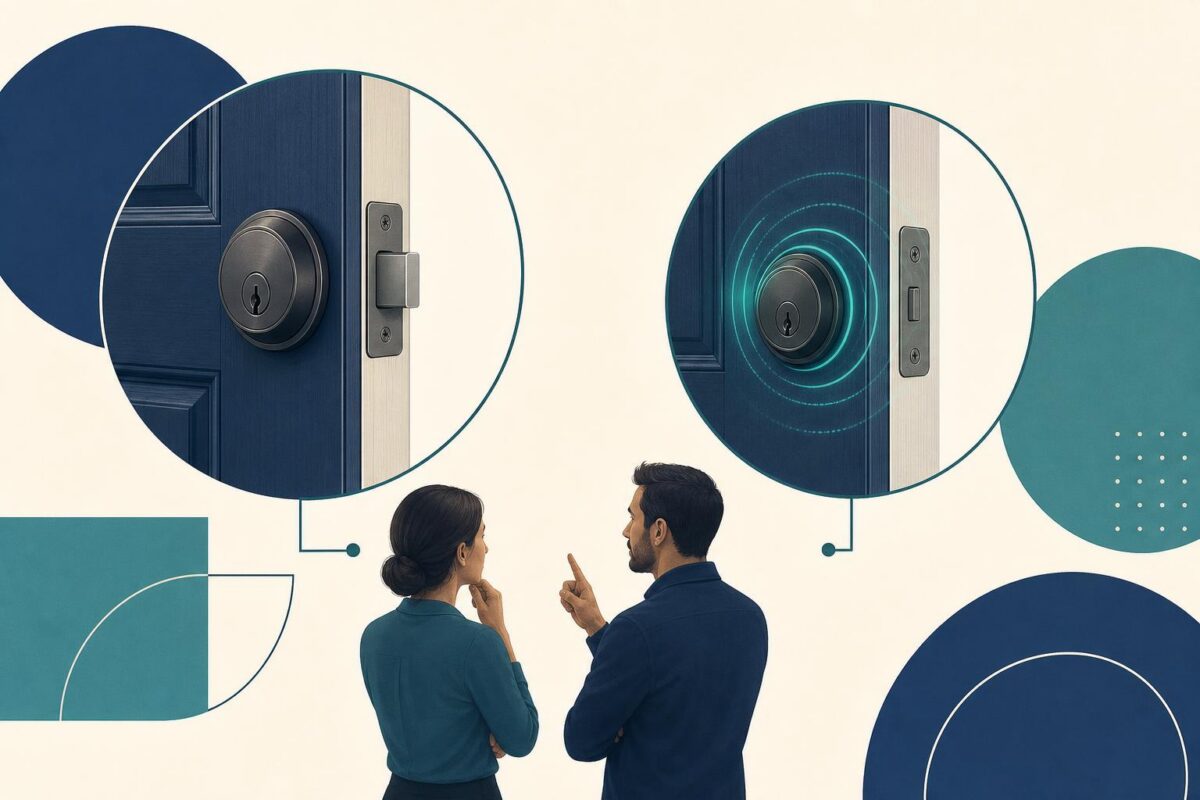
Schlage visual support could be especially useful when a customer combines door movement and electronic response in one complaint. The lock did not work may mean the door does not close normally, a control did not respond as expected, or another part of the experience is unclear. Support should distinguish those observations before choosing a troubleshooting path.
That makes installed door-and-lock questions a strong prospective fit for Viewabo. This is an independent fit analysis, not a claim that Schlage uses or endorses Viewabo.
The installed door and the lock are related but distinct
Schlage’s January 2023 smart-lever announcement describes connected door hardware across different residential door contexts. The relevant support lesson is the relationship between the physical opening and the installed product. A short brand-level complaint may not tell the team which part needs attention.
In a hypothetical case, a customer describes difficulty securing a door after a change in how it moves. The agent should record the reported movement and the lock’s observed response separately. The timing is relevant, but it does not establish the cause.
Start with the customer’s intended ordinary action and what happens instead. Avoid translating that account into a confirmed electronics problem or a mechanical diagnosis before the proper checks occur.
Schlage visual support can establish a common reference
A focused external view could help identify the relevant door, lock, and accessible surrounding area. The customer and agent can then discuss the same part rather than use handle, latch, and lock as interchangeable terms.
The access control support workflow follows the same distinction between the door, the credential, and the access decision.
Any requested observation must remain within safe, approved user activity. Support should not improvise lock manipulation or ask the customer to create a condition that risks a lockout. When the question requires a locksmith or installer, a clear description is enough to prepare the handoff.
Visual context does not certify door alignment, installation quality, or security. Those findings need the appropriate qualified process. The agent should state the difference between a visible condition and an established technical explanation.
Keep electronic questions on their own evidence path
An electronic response or account-related concern may require product-specific guidance and identity verification. It should not be confused with the physical door question simply because both appear during the same contact.
Our recommendation is to preserve the case as two related observations until the evidence supports combining them. This avoids using an account step to explain a physical movement concern, or a visual impression to dismiss a controls problem.
Viewabo could help support maintain the physical context while the appropriate technical checks proceed. It does not verify ownership, grant access, or replace the manufacturer’s support procedures. Its contribution is a more precise account of what the customer is describing.
Do not turn uncertainty into force or bypass instructions
A support agent should not suggest forcing hardware, defeating a protective mechanism, or improvising an entry method to continue a demonstration. If normal access or security is uncertain, follow the appropriate urgent service path.
Similarly, do not collect private access codes or show sensitive credentials in a visual conversation. A focused view of the relevant external area may provide the necessary context without exposing information unrelated to the support decision.
The customer should understand the stopping point. If the team cannot safely establish the next fact remotely, assign the unresolved question to the proper professional rather than keep extending the experiment.
Give the receiving specialist the observed sequence
A useful escalation describes the ordinary action attempted, the physical movement reported, the electronic response if relevant, and the approved checks already completed. It also identifies which facts the agent directly observed and which describe earlier events.
This helps a locksmith, installer, or technical-support team begin with the customer’s actual concern. A generic note that the smart lock failed discards the very distinctions that may determine the next investigation.
Once the appropriate work is complete, verify the agreed outcome through the correct process. Do not close an electronic question solely because the door moves differently, or close a physical concern because a control responds. Each unresolved part deserves an explicit disposition.
Measure the quality of Schlage visual support routing
A pilot could focus on installed-product cases that mix physical and electronic descriptions. Review whether agents preserve both observations, choose the appropriate next owner, and avoid repeated intake. Include customer understanding and eventual resolution, not just contact length.
The broader case for video in customer support applies when the physical object is difficult to describe. Schlage could evaluate Viewabo where separating door movement from lock response helps the right specialist address the right question.