
Garmin Visual Support: Connect Cycling Sensor Data With the Actual Sensor

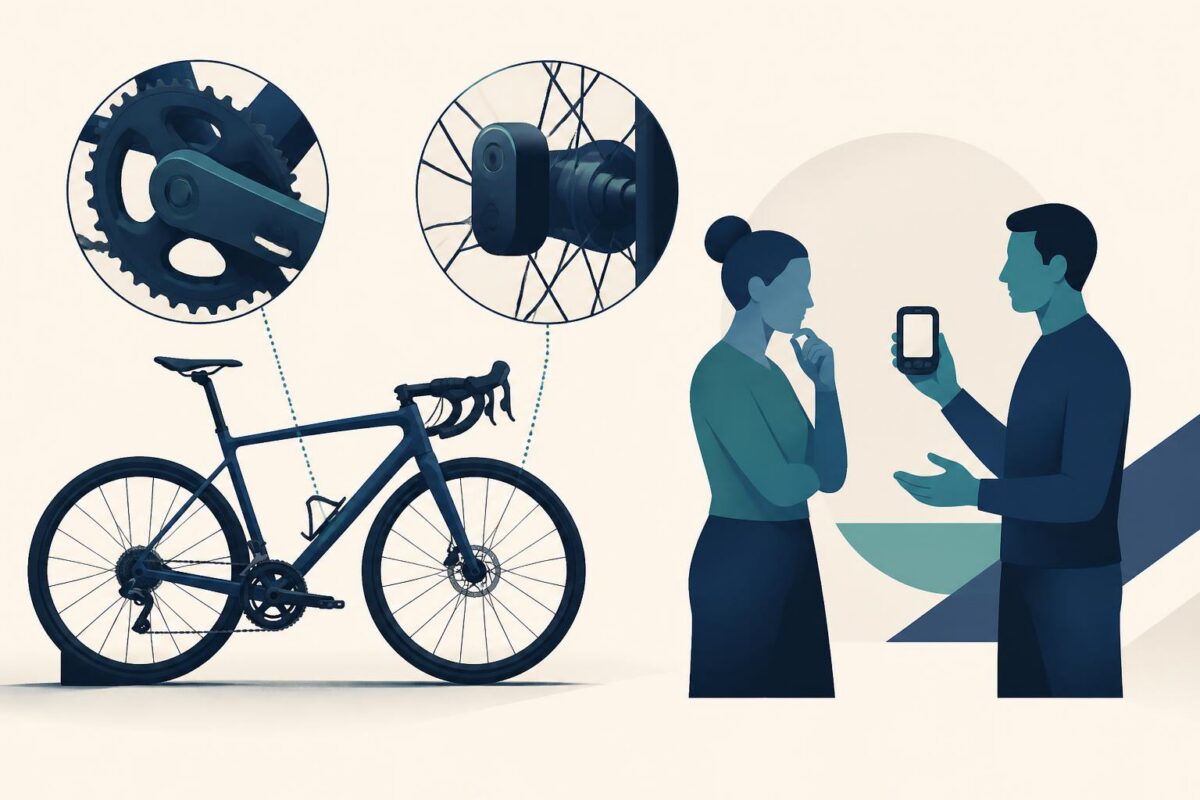
Garmin visual support could help when a cyclist reports a missing reading but the support team cannot yet identify the sensor producing it. A device name on a screen and a small object attached to a bicycle are different references. The conversation needs to connect them before assuming a hardware fault.
This is an independent prospective fit analysis for Viewabo, not a claim that Garmin uses or endorses it. The focus is cycling-sensor identity and physical context, not a promise that visual communication can diagnose every data problem.
Begin with the measurement the rider expects
Garmin’s April 2019 sensor announcement distinguishes bike speed and cadence sensors and their different mounting contexts. That distinction creates a useful support lesson: knowing which measurement is absent is not the same as knowing which physical device is involved.
Ask the cyclist what they expected to see and where they expected to see it. A missing cadence reading, an absent speed value, and a device-list question should not be collapsed into one general statement that the sensor is disconnected.
Then identify the relevant sensor and receiving device through official information. Do not assume that every small accessory on the bike serves the same purpose. The support team needs an accurate inventory before it can choose the appropriate troubleshooting path.
Garmin visual support can connect the digital and physical references
With the bicycle safely stationary, a focused shared view could help establish which sensor and mounting area the customer means. The agent can compare that context with the correct product guidance. The purpose is identification, not a moving demonstration.
For example, a household with several bicycles may have more than one similar sensor. The customer could be discussing one object while looking at information associated with another. Confirming the physical reference can prevent unrelated changes to the wrong setup.
Keep identity checks separate from compatibility conclusions. A visible sensor does not prove which connections or measurements a receiving device supports. Consult the appropriate documentation rather than inferring a technical relationship from proximity.
Review placement without inventing a mounting procedure
If the question concerns attachment, use the model’s official instructions and the correct bicycle context. Do not direct an improvised fit that could interfere with moving parts. A support agent should be explicit when a qualified bicycle technician needs to assess something.
The customer should not ride while handling a phone or trying to show a sensor. If a later approved functional check is appropriate, it should follow a separate safe process. The visual conversation itself can remain a stationary reference check.
Viewabo could help make that reference clear. It would not replace mounting guidance, establish radio performance, or certify mechanical clearance. Better visibility narrows the question that the responsible support process must answer.
Change one relevant condition at a time
Once identity and context are confirmed, any approved next step should have a clear purpose. Explain which observation would indicate progress and which would require another route. Avoid a broad reset simply because the initial description sounded like a connection problem.
Keep a record of the original configuration before asking for a permitted change. Otherwise, an apparent improvement can be difficult to interpret or reproduce. The customer should understand what changed and why the support team considers it relevant.
If the issue concerns data seen during an earlier ride, distinguish that report from today’s observations. A stationary view cannot verify a past measurement. Preserve the sequence and the uncertainty so the next specialist can investigate the right event.
Escalate the complete sensor relationship
A useful handoff identifies the expected measurement, physical sensor, receiving device, and confirmed setup context. Include the approved checks completed and their outcomes. This gives the specialist more than a generic report of missing data.
Our independent Wahoo trainer analysis examines a related cycling-support boundary: the physical combination must be identified before diagnosing hardware.
Also say which relationships remain unverified. The agent may have confirmed the sensor’s identity without confirming the complete data path. That is still useful progress, provided the record does not overstate what the visual interaction established.
Follow-up should address the original measurement question. A device appearing in a list may be an intermediate milestone rather than proof that the intended reading is available in normal use. Define the remaining check before closing the case.
Evaluate Garmin visual support through better sensor intake
A pilot could examine cycling contacts with ambiguous sensor descriptions. Review identity accuracy, avoided changes to unrelated devices, and the quality of escalations. Include repeat contacts about the same measurement rather than measuring only immediate pairing progress.
The broader case for video in customer support applies where physical context changes digital troubleshooting. Garmin could evaluate Viewabo as a way to ensure both people are discussing the same sensor before choosing what to do next.