
Kitchen Ventilation Support Needs the Whole Room

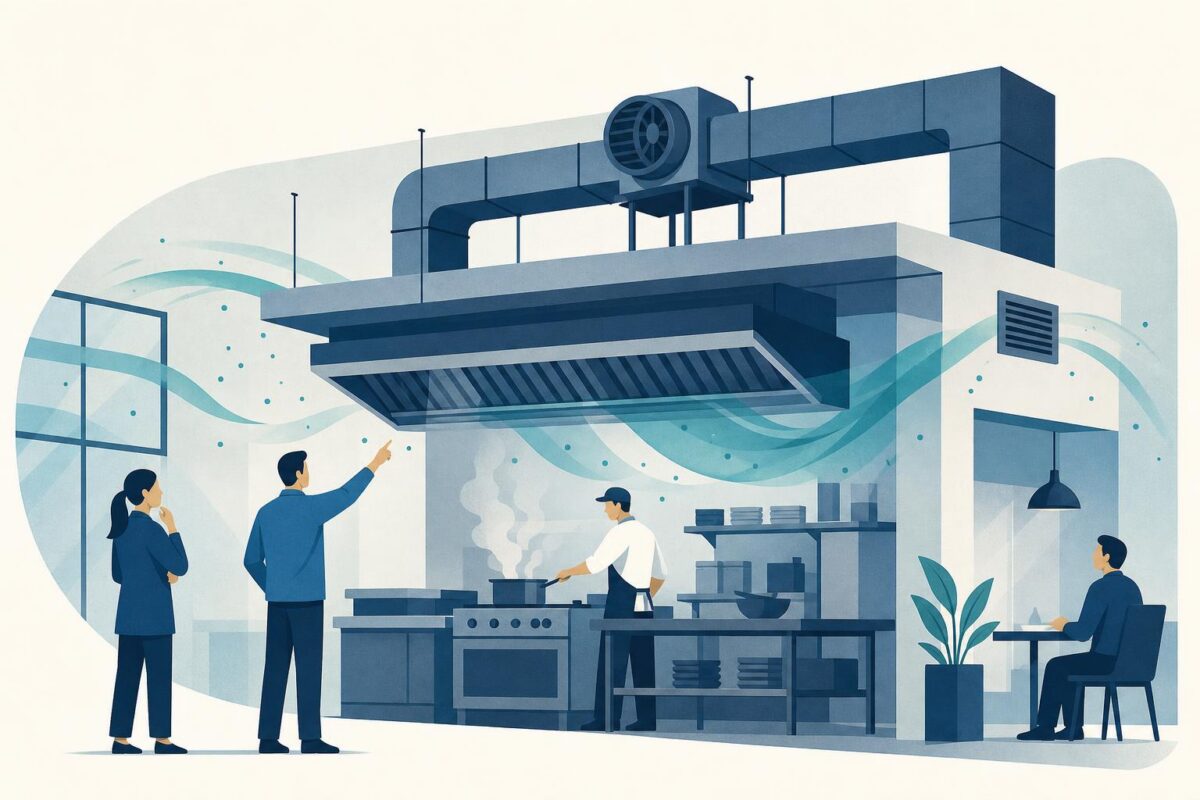
Kitchen ventilation support should examine the room around the complaint, not just the hood named in the ticket. Staff may describe visible haze, an uncomfortable work area, an unusual sound, or a changed operating result. Those observations require different questions and may involve more than one building system.
Viewabo can help an authorized site contact explain the physical arrangement and point out the location of the concern. The useful role is service coordination. A visual conversation cannot measure air quality, validate exhaust performance, or certify fire protection.
Treat urgent conditions through the site's procedures
If staff report a possible immediate hazard, the location should use its established emergency response. Routine support should not delay that action or ask people to remain in an affected area for a better view.
For a non-emergency service complaint, identify exactly what staff noticed and where. Keep an observation such as visible haze separate from a technical explanation of airflow. Support must not infer a safe condition merely because a remote picture looks clear.
Name the person responsible for the kitchen's operating decisions. The equipment service team may help investigate, but it should not independently authorize continued use where the site has imposed a restriction.
Map the cooking area and the reported effect
A broad view can help show which cooking area, hood section, or nearby opening the caller means. The goal is to match the complaint to the site's existing equipment references.
For a cooking complaint, commercial oven support starts with the affected result and operating context before assigning the cause to equipment.
Ask whether the concern affects one station or the wider room. Also note where staff first observe it. A condition noticed across the kitchen may need a different investigation from one associated with a single area.
Do not request close access to hot surfaces, overhead equipment, or restricted service spaces. The available view should stay within ordinary safe access. A qualified visit is the appropriate next step when the relevant detail cannot be inspected from there.
Give kitchen ventilation support the operating pattern
Record when the concern appears and which activities coincide with it. A complaint during peak preparation may require different follow-up than one present before cooking begins. The pattern is evidence to investigate, not a diagnosis.
Ask about confirmed recent changes in equipment arrangement, approved maintenance, or building use. A moved appliance or changed room operation may be relevant. Do not assume that the person who made the change caused the problem.
The Department of Energy's 2010 operations and maintenance guide provides background on coordinated building-system care. The support lesson is to preserve the surrounding operating context instead of treating the reported hood as an isolated object.
Keep technical checks with qualified personnel
The remote team should not ask kitchen staff to adjust ventilation controls, access electrical components, climb to fans, or disturb fire-protection equipment. Those actions require the proper authority and procedure.
Similarly, do not use a visual impression as a measurement of capture, pressure, or air quality. If the investigation requires those checks, identify the qualified provider who will perform them.
A clear service brief can say that more than one discipline may be involved. Mechanical service, building management, and fire-protection responsibilities should not be blurred simply because they meet in the same room.
Coordinate the service window around the kitchen
Before a visit, establish who can provide access and authorize work. Confirm the relevant operating window through the site's responsible manager. The service provider may need specific conditions to investigate, but the location controls whether those conditions can occur safely.
Preserve the original complaint in the appointment notes. "Inspect ventilation" is less useful than a description of the affected station, observed condition, and timing. The specialist can then plan a focused assessment.
Meanwhile, explain what remains unknown. The customer should understand whether the next step will establish the cause, carry out approved work, or verify a result. Do not promise a complete repair before the necessary assessment happens.
Note whether the concern follows a particular cooking station or remains in the same room area when operations change. That observation can guide the specialist's questions without becoming an airflow diagnosis. Preserve the distinction between where the effect appears and where staff assume it originates.
Close against the original kitchen requirement
After authorized service, the responsible specialists should use the appropriate checks to establish the outcome. A fan that operates or a room that appears clearer does not automatically prove the required performance.
If the concern occurred only during a particular service pattern, address that condition in the verification plan. Otherwise, record the limitation and keep a follow-up assigned. A brief quiet-period observation may be incomplete.
Viewabo can help the customer and service team discuss the same physical kitchen without relying on ambiguous descriptions. Use it to identify the area, understand the pattern, and prepare a coordinated handoff. Keep measurement, fire-safety decisions, and technical acceptance with the qualified people who own those responsibilities. That is a useful, credible role for visual support.
Background reference: Operations and Maintenance Best Practices Guide, Release 3.0.
Related reading: why video belongs in customer support.