
Standby Generator Support: Prepare a Useful Service Call

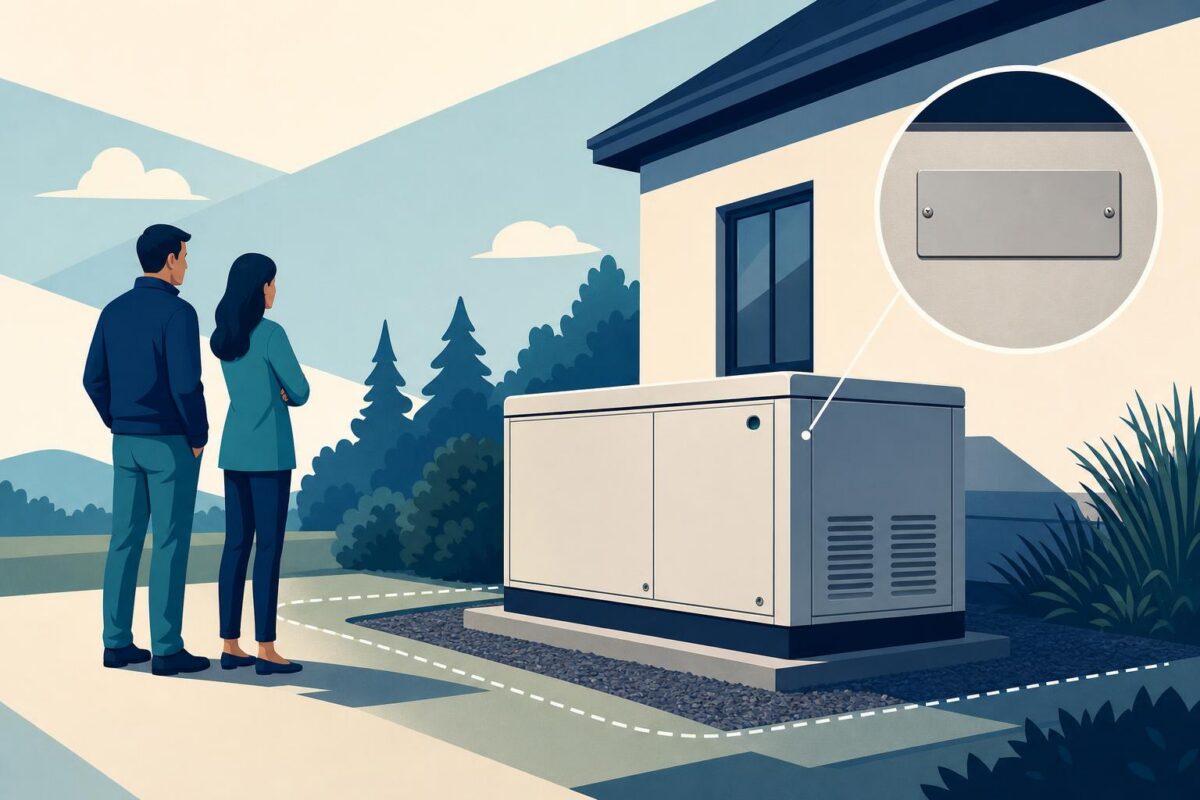
Standby generator support should produce a clear service plan before it produces a theory. A reported status message, visible external condition, missed scheduled activity, or concern about readiness can each lead to a different investigation. The support team needs to know which question the customer is actually asking.
Viewabo can help an authorized site contact identify equipment and show safe external context. It is useful for preparing the service handoff. It does not test generator readiness, authorize electrical work, or establish that a backup-power arrangement will perform when needed.
Separate a reported symptom from readiness assurance
First, ask what the customer observed and where the information came from. An existing maintenance record, a displayed message, and a firsthand observation should not merge into a single unsupported conclusion.
A customer may ask whether the site is protected because a machine appears normal. Support should not answer that from a remote view. Readiness depends on the appropriate qualified checks and the site's operating requirements.
If the report concerns an active emergency or a potentially hazardous condition, the site's established response takes priority. Routine visual intake should not delay responsible action or encourage staff to approach unsafe equipment.
Make standby generator support asset-specific
Identify the generator and the associated service reference using approved records. Some sites have multiple units or separate components managed by different providers. The service brief should make clear which asset prompted the call.
A safe external view may help the specialist understand the location, accessible labeling, and general arrangement. Do not ask staff to open enclosures, handle fuel-related components, or enter restricted electrical areas.
Also identify the responsible on-site person. A building occupant who notices a concern may not own the equipment or have authority to approve work. Establish that relationship before arranging technical actions.
Preserve the maintenance and event history
Ask when the concern first appeared and what confirmed activity preceded it. Relevant history may include authorized service, a recorded test, or a known site event. Keep the sequence factual and label any uncertainty.
Do not equate a recent service visit with a verified current result. Equally, do not assume that a condition noticed afterward was caused by that visit. The qualified specialist needs the actual records to evaluate the relationship.
The Department of Energy's 2010 operations and maintenance guide provides background on structured equipment care. For support, the practical point is to connect the reported symptom to a traceable history rather than a vague recollection that the unit was "checked recently."
Avoid diagnostic operation during an informal call
Do not ask an unqualified caller to start the generator, transfer loads, reset unfamiliar controls, or reproduce a fault. Such actions can affect people and equipment beyond the unit in view.
Any authorized testing must follow the applicable procedures and involve the responsible qualified personnel. The support team can identify what question needs an answer without prescribing an improvised test.
If the information cannot be gathered safely, record that limitation. A service intake can still be complete when it clearly states what requires an on-site assessment. The alternative is often a misleading sense that the equipment has already been checked.
Prepare the visit around the site's obligations
Confirm access, the responsible facilities contact, and who can approve the planned work. A technician should not arrive expecting permission that the available caller cannot grant.
Our independent Generac support analysis examines the homeowner-to-technician handoff and the limits of safe exterior observation.
Also identify whether another provider needs to coordinate. The generator, associated electrical equipment, and building operations may have different owners. The case owner should arrange those dependencies rather than leaving the customer to discover them during the visit.
The dispatch brief should include the asset, reported condition, timing, relevant records, and precise remaining question. State whether the next step is investigation, planned service, or verification. These are different commitments and should be communicated as such.
Where several organizations share a property, confirm who owns the readiness decision. The person receiving the service update may not be the person responsible for continuity planning. A concise, accurately scoped report should reach the appropriate owner through the customer's normal communication process.
Document the scope of the final result
After authorized work, report what the qualified service team actually established. A completed maintenance task is not a blanket guarantee of future backup performance. Preserve the scope and conditions of any recorded test or inspection.
If further work or verification remains, assign an owner and checkpoint. The customer needs an accurate status to make its own operational decisions. An optimistic closure can be less helpful than a clear explanation of what is still pending.
Viewabo belongs where safe visual context makes the service conversation more precise. Use it to identify the right equipment, preserve the history, and prepare the right people for the visit. That is a concrete support benefit without pretending that a camera can replace qualified testing or the site's planning for essential power.
The solar service support guide illustrates a similar intake boundary: prepare the specialist’s visit using safe site context without turning the caller into an electrical technician.
Background reference: Operations and Maintenance Best Practices Guide, Release 3.0.
Related reading: why video belongs in customer support.