
STIHL Visual Support: Prepare Dealer Intake Before the Tool Arrives

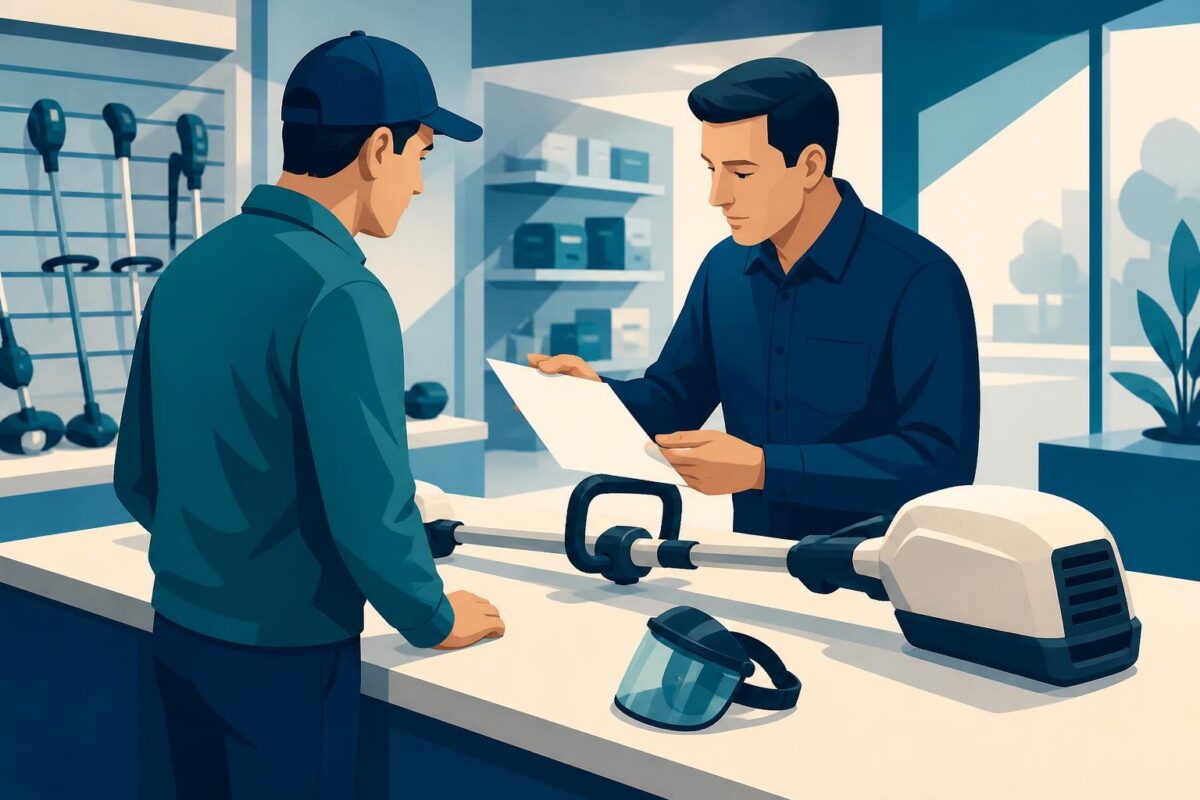
STIHL visual support could help a servicing dealer prepare for a tool before it reaches the counter. The owner may describe the task they were doing more clearly than the equipment or attachment involved. Intake needs to preserve that useful context while establishing exactly which item requires assessment.
This article is an independent prospective analysis of Viewabo. It does not imply that STIHL uses or endorses Viewabo, and it does not offer operating or repair instructions for outdoor power equipment.
Start with the actual tool combination
STIHL’s April 2022 company announcement describes equipment for professional and domestic users across cordless and gasoline-powered categories. It also discusses dealers. That breadth makes exact identity important before a support team chooses guidance or prepares service.
A hypothetical customer may say a trimmer or saw is not performing as expected. The dealer first needs the model, relevant attachment, and reported task. Similar everyday names can hide different equipment configurations and different service requirements.
The string trimmer support guide separates line and setup confusion from a concern that requires service.
Record the observed behavior separately from the owner’s proposed explanation. A person may suspect the power source or attachment because it was the last thing changed. That sequence can be useful without proving where the problem lies.
STIHL visual support could improve the first reference check
A shared view of safely stopped equipment could help establish accessible identification and the item under discussion. The customer should not need to operate the tool, expose cutting parts, or perform disassembly to explain the initial concern.
For example, the dealer may need to distinguish a question about the main tool from one about an attachment. Confirm the references against official information rather than relying on a familiar shape. The next step depends on which object actually needs review.
If the identifying information cannot be accessed safely, defer that check to the dealer. A partial but honest intake is better than an unsafe attempt to collect a complete record. Support should make the visit more useful without shifting technical work to the owner.
Use visual context to prepare service, not replace it
A clear exterior view can help a dealer understand the account, but it cannot establish every internal condition. Do not convert an appearance into a diagnosis of a fuel, electrical, drive, or cutting system. Those questions require the appropriate assessment.
The same rule applies to advice about attachments. Visual resemblance does not establish an approved combination. Use the correct product instructions and service knowledge rather than suggesting a substitution or adjustment to see whether it works.
Viewabo could support shared understanding between owner and dealer. It would not replace STIHL’s instructions, required protective practices, or qualified service judgment. The opportunity is a better starting point for that judgment.
Preserve the work context without requesting a reenactment
Ask which task the customer intended to complete and when the concern appeared. This can help the dealer understand the report without asking for another operating attempt. A written sequence supported by limited safe observation can be enough for intake.
Keep the difference between earlier conditions and the current state clear. The owner may show a stored tool while describing an event from another day. The dealer should know which details are visible now and which come from the customer’s recollection.
If the report suggests a condition that requires stopping use, follow the applicable product and service guidance. Do not seek a clearer demonstration merely because the original account is incomplete. The remaining uncertainty belongs in the service brief.
Tell the customer what the dealer needs next
The dealer can specify which items or records are necessary for assessment and provide the appropriate handling and transport guidance. Do not assume that every related accessory should be shipped or carried in without considering the actual case.
A complete intake note should name the confirmed equipment, relevant attachment, reported sequence, and open question. It should also identify any checks deliberately deferred. That gives the receiving technician a clear starting point instead of an unsupported diagnosis.
Explain who owns follow-up after the intake. If another dealer or specialist must review the issue, pass on the useful context. The customer should not have to repeat the story from memory each time responsibility changes.
Evaluate STIHL visual support through service preparation
A pilot could focus on contacts with unclear tool or attachment descriptions. Review whether agents establish identity safely, capture useful work context, and prepare appropriate dealer assessments. Track requests for missing information after arrival as well as the initial contact outcome.
The general case for video in customer support is shared physical understanding. STIHL could evaluate Viewabo where that understanding helps a servicing dealer begin with the right equipment reference and a clearer account of the concern.