
String Trimmer Support: Resolve Line and Setup Confusion

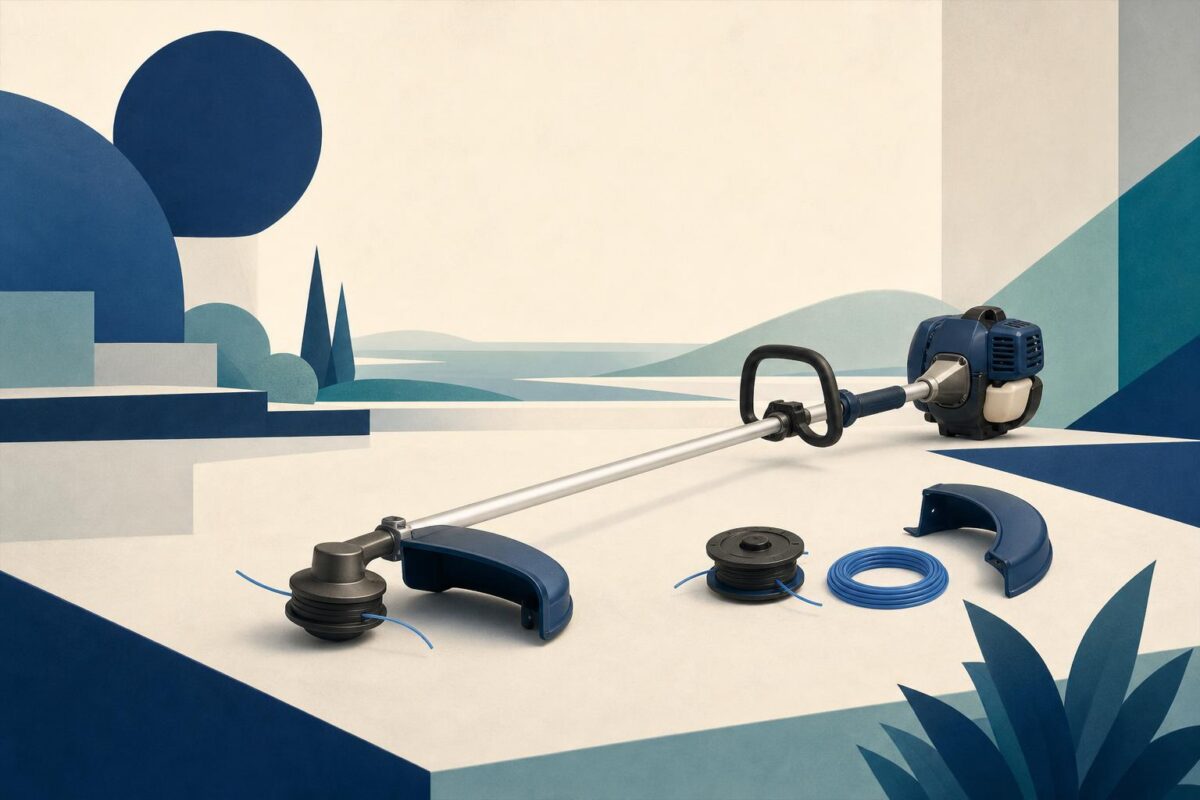
String trimmer support often turns on a small physical distinction. The customer may be using the wrong line type, misunderstanding a loading step, or describing a damaged cutting head. Those possibilities need different responses. A generic instruction to pull the line or run the tool again can make the situation worse.
Viewabo can help the agent and customer identify the visible assembly and compare it with the correct instructions. The tool should remain safely stopped for that discussion. Visual communication is useful for understanding the problem, not for supervising improvised repairs around sharp or moving parts.
String trimmer support starts with a safe state
Ask the customer to stop using the equipment and follow the manufacturer’s instructions for making it safe before any permitted handling. Confirm the power type and model. A battery trimmer, corded model, and fuel-powered unit should not receive interchangeable advice.
The CPSC’s MTD Southwest recalls trimmers and polesaws documents a model-specific hazard involving continued rotation after the throttle was released. It illustrates why an unexpected-motion complaint must not be treated as an ordinary line-feed problem. Identify recall and service guidance before asking for further action.
Do not request a running close-up of the head. Keep hands, clothing, and the camera away from the cutting area. If there is damage or a hazardous condition, stop routine troubleshooting and arrange the appropriate service response.
Name the failure before choosing a procedure
Ask whether the line fails to advance, breaks unusually, appears uneven, or does not match the instructions during loading. A tool that stops unexpectedly belongs in another branch. Preserve the caller’s description without interpreting every symptom as a worn spool.
Identify when the problem began. Was the head recently reloaded? Was a replacement component fitted? Did the customer change the line or use the tool differently? These are useful leads, not proof of fault or misuse.
A close view of packaging or a part label may clarify compatibility more safely than dismantling the tool. Keep the evidence focused on what the next decision actually requires.
Our independent STIHL dealer-intake analysis explains what should travel with an outdoor-tool complaint before the item reaches the counter.
Compare the head with the model’s manual
Use the correct manual to establish the loading method and permitted consumables. Similar-looking heads may use different arrangements. Never infer line size, winding direction, or replacement compatibility from a distant visual impression.
If the manufacturer permits a user-level loading task, explain one step at a time with the tool in the specified safe state. Ask the customer to stop when the actual assembly no longer matches the illustration. Forcing the process is not a diagnostic technique.
String trimmer support should also keep guards and protective components in scope. An apparently improved line feed does not justify operating with an incomplete or altered protective assembly.
Separate a consumable question from damage
A customer can need help identifying the correct line without needing a new motor or head. Conversely, a cracked cover or uncertain retention mechanism is not fixed by choosing another line. Record those observations separately.
Do not suggest substitutions made from wire, unknown cord, or other improvised material. Use only the manufacturer’s approved parts and instructions. If the correct component cannot be established, escalate the identification question before the customer spends money or resumes use.
When damage is suspected, avoid asking the customer to tug, flex, or stress the component for a better view. A service provider can inspect it. The visual session should capture the visible condition without increasing the risk.
Give a clear explanation, not a reprimand
A caller who struggled to reload a head may already feel frustrated by the manual. Explain the relevant difference neutrally. This head uses a different loading arrangement is more helpful than saying the customer followed the wrong instructions.
Show how the observation changes the next step. If the supplied component does not match the product documentation, the next action may be a retailer or parts-support check. If the loading sequence is the issue, the next action may be a documented owner task.
Keep those outcomes distinct. Do not send a replacement simply because the agent could not explain the instructions, and do not prolong a call when a damaged component clearly needs professional attention.
Verify the setup within safe limits
After an approved user task, compare the stationary assembly with the manual. Confirm that the customer understands the operating warnings and the appropriate normal-use check. Do not require simultaneous filming and operation to close the case.
If a service referral is needed, provide the model, head or part identifier, line information, and the exact symptom. Include the reason further operation was not requested. That preserves the diagnostic value of the conversation without manufacturing certainty.
Viewabo helps the support team replace an ambiguous description with a shared physical reference. The broader idea is explained in why video belongs in customer support. For string trimmer support, the value is especially practical: identify the right assembly, distinguish normal maintenance from damage, and stop at the boundary where observation should give way to authorized service.