
Vacuum Cleaner Support: Trace the Loss of Pickup

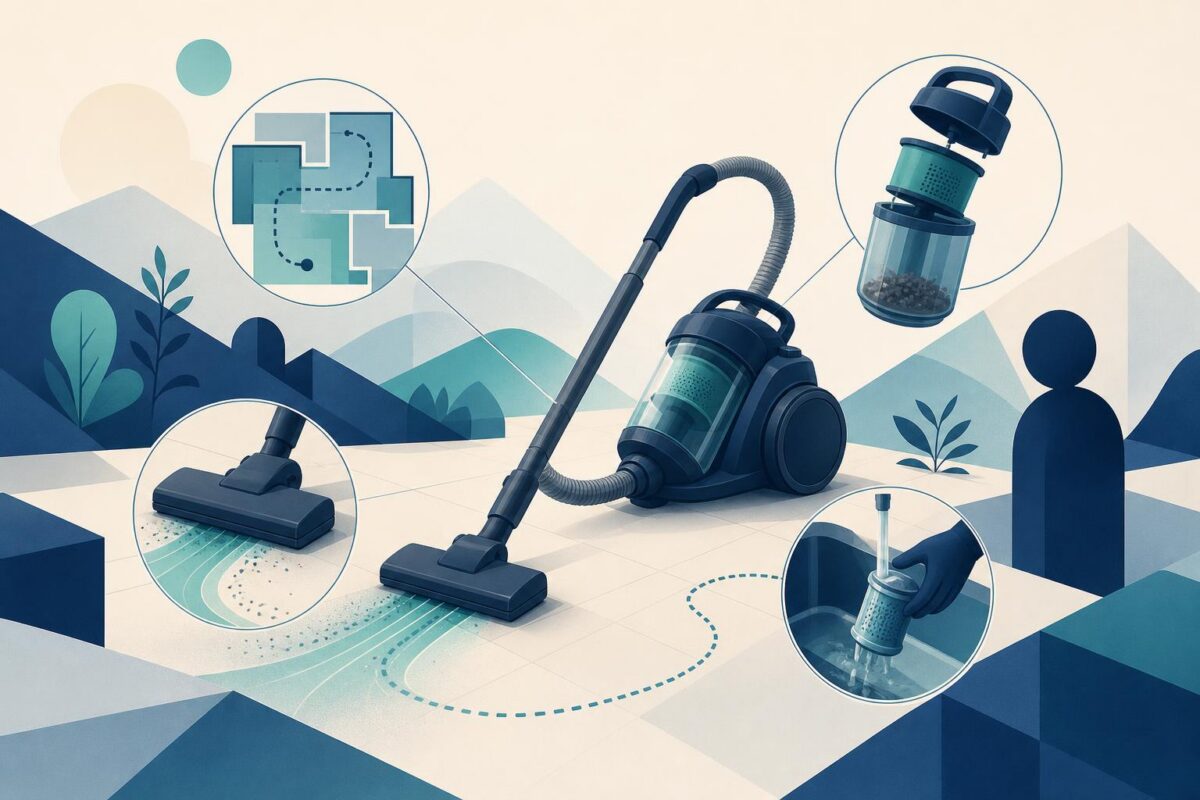
Vacuum cleaner support should trace the loss of pickup through the customer’s actual cleaning task. A machine can sound normal while leaving debris behind. It can also work on one surface and disappoint on another. Recommending a replacement before identifying the floor, attachment, and visible condition risks solving the wrong problem.
Viewabo can help the agent and customer discuss the same cleaner head, container, and patch of floor. That shared context supports a more focused owner-level check. It does not measure suction, certify filtration, or replace service for electrical damage and internal mechanical faults.
Vacuum cleaner support begins with the missed debris
Ask what the customer expected the vacuum to collect and which surface they used. Distinguish poor pickup, a blocked-feeling tool, unexpected stopping, and an unfamiliar message. Those complaints should not all lead to the same cleaning instruction.
Use an ordinary, safe example rather than asking the customer to spread new debris for a dramatic test. Avoid liquids, sharp fragments, or other material the vacuum is not designed to handle. The relevant question is how it performs during permitted normal use.
Record whether the issue affects one attachment or the whole machine. This comparison can narrow the investigation without requiring the customer to dismantle anything.
Match the head and mode to the job
Identify the model and visible attachment. Dyson’s Dyson introduces V15 Detect vacuum describes different cleaning heads and household cleaning needs. That is a useful reminder that the tool at the floor matters, not just the body of the vacuum.
Our independent Dyson support analysis explores why identifying the appliance and accessory must come before interpreting a cleaning complaint.
Compare the chosen attachment and operating mode with the manufacturer’s instructions for the surface. Do not assume that every head suits every floor or material. Explain the relationship in simple terms the customer can use next time.
If the attachment cannot be identified, look at accessible markings or packaging. Do not recommend another purchase based solely on a similar appearance. The correct compatibility information should come from the manufacturer.
Follow the accessible path while the machine is safe
Use the required safe state before any permitted owner maintenance. Ask for a view of the collection container, accessible connection points, and the exterior of the cleaning head. Follow the specific manual rather than a generic disassembly sequence.
A visibly full container or improperly seated user-removable part may suggest a useful documented check. However, do not infer that the entire airflow path is clear from one visible section. State the limit of what the agent can see.
Vacuum cleaner support should never encourage reaching toward moving brushes, probing with improvised tools, or operating with a protective part removed. If the manual’s user-access path ends, the next step is service.
Distinguish maintenance from damage
Ask whether the complaint began after normal cleaning, a dropped machine, an unusual pickup, or a changed attachment. Preserve the sequence without turning it into an accusation. Customers provide better evidence when they do not expect a lecture.
If the product shows battery damage, a frayed cord, abnormal heat, smoke, or a burning smell, stop routine troubleshooting. Do not ask the customer to charge it again or try another supply as a casual test. Follow the manufacturer’s safety and service process.
For a maintenance question, use only the cleaning method and drying requirements specified for that component. Parts that look washable are not necessarily intended for washing, and an improvised solvent can create another fault.
Test the same surface after one approved change
When normal operation is safe, repeat the original cleaning task with the same attachment and surface. Change only the documented item under investigation. A different floor or easier debris type may produce a reassuring result without explaining the original complaint.
Ask what remains after the pass and whether the machine behaves as expected. Do not judge precise pickup performance from a distant camera angle. The customer’s direct observation and the manufacturer’s approved assessment matter.
If one tool works and another does not, record that difference for the next support decision. It can help separate an accessory question from a broader machine concern without overstating certainty.
Our independent SharkNinja support analysis explores accessory identification across a broader household-product portfolio.
Give the customer a repeatable maintenance explanation
Summarize the relevant owner task and when the manual calls for it. Keep the explanation short enough to remember. The goal is to prevent the same uncertainty, not burden the customer with an exhaustive maintenance lecture.
If service is required, identify the model, attachment, surface, symptom, and completed checks. Note any unsafe condition that stopped testing. A precise case record can reduce repeated questions while leaving the actual repair diagnosis to qualified personnel.
Viewabo helps connect the caller’s description with the physical cleaning setup. The broader support principle appears in why video belongs in customer support. Vacuum cleaner support succeeds when the customer can verify pickup on the intended surface or understand the exact reason for a service handoff, rather than simply hearing that the motor still runs.